When the Fokker company brought out is new triplane in the late summer
of 1917 Werner Voss was one of the first pilot to fly it at the front, and he was the first pilot to score
with it. Voss was in the habit of going out on voluntary patrols after regularly assigned duties
had been fulfilled. On the evening of 23 September 1917 he was out alone when he came across a
flight of S.E.5a's from No. 56 Squadron led by Captain J.T.B McCudden
Voss fought a single-
handed dogfight against several aces: Capt.James McCudden (57 victories), Lt. Richard
Maybery (21), Lt. Geoffrey Hilton Bowman (32), Capt. Reginald Hoidge (28),
Lt. Arthur Rhys Davids (23).
]
Keith Muspratt (8) and Lt V.P. Cronyn, with Lt. Harold A. Hamersley (13) and
Lt. Robert L. Chidlaw-
Roberts (10) of 60 Squadron. Voss fought the RFC aces for just 10 minutes, eluding them
and achieving hits on all of the British aircraft. Using the triplane's superior rate of climb and its
ability to slip turn (using the rudder to turn quickly), Voss managed to evade his opponents. He
was able to turn very sharply and attack those behind him. Another German ace, Karl Menckhoff, flying
an Albatros, attempted to assist Voss but was downed by Rhys-
Davids.
After flying past McCudden in a head-
on confrontation however, Voss's Fokker was hit with bullets on the starboard side by Hoidge. One round
pierced his right side and passed through his lungs. Nearing death, Voss did not see Rhys-
Davids approach from the 6 O'clock position, directly behind his tail.
Rhys-
Davids got below him and poured two drums of Lewis fire into the underside of the triplane, then attacked
again with both guns. The Fokker fell away, stalled and crashed into the British line. McCudden recalled: "I
saw him go into a fairly steep dive and so I continued to watch, and then saw the triplane hit the ground
and disappear into a thousand fragments, for it seemed to me that it literally went into powder."
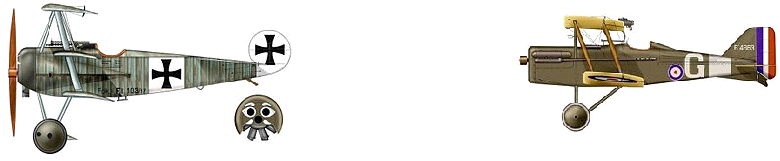
Voss's
Fokker
McCudden's
S.E.5a
One of the British pilots he fought that day, then-
Captain James McCudden, a recipient of the Victoria Cross and who would become a leading
English ace of the war, expressed sincere regret at Voss's death: "His flying was wonderful, his courage
magnificent and in my opinion he was the bravest German airman whom it has been my privilege to see fight."
Lieutenant Arthur Rhys-
Davids, who himself would fall in combat just one month later, had said to McCudden, "If I could only have
brought him down alive."
Voss did much damage to B Flight of 56 Squadron ; Muspratt force-
landed at No. 1 Squadron's aerodrome with a bullet in his radiator. Mayberry's S.E.5a was hit in
the upper right hand longeron and badly damaged, force landing at St Marie Cappel. Hamersley and Chidlaw-
Roberts' S.E.5a's were badly damaged, whereas Hamersley's machine was eventually sent to No.1 Air
Depot for repair. Cronyn's airplane was also damaged.
Some accounts of the fight say that at one point Voss could have escaped by out climbing his
opponents. But he didn't. And he sure couldn't have out run them. The S.E.5a
had a 30 to 40 mph speed advantage. So he stayed to fight. He fought like a demon and made
an enduring reputation for himself and the Fokker Dr-
1. But for all the turns and fantastic maneuvering, I think -
perhaps, it might have been the Triplane that in the end, killed Werner Voss.
We can only speculate what Voss might have thought during the fight. Perhaps he didn't
believe he could safely out climb the circling S.E.5s of 56 Squadron. The Triplane was so slow he
couldn't run and he couldn't out-
fly seven aces in faster aircraft. He was not the only German pilot who found out that the
sluggish speed of the Fokker Dr-
1 was a great disadvantage. A pilot in a fighter aircraft with a speed advantage usually has the
option of engaging or running from a fight.
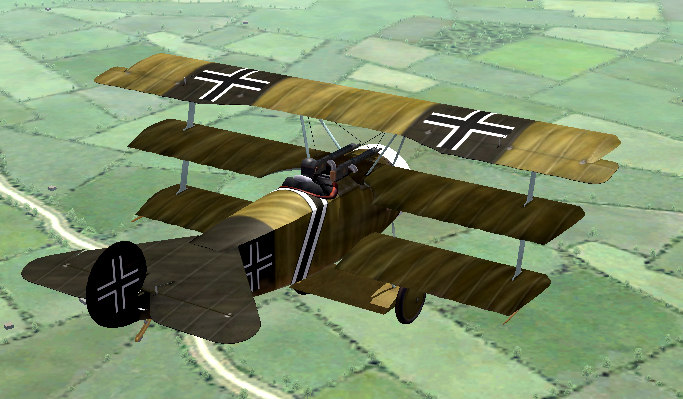
You Tube has a well done CGI reenactment of the Voss fight. Search for "The
First Dogfighters, Part 1". Watch for yourself and make up your own mind.
This same program also contains a segment about the fight Arthur Raymond Brooks flying a SPAD
XIII for the 22nd US Aero Squadron had in which, he single-
handedly fought eight Fokker D-
VIIs, shooting down four of them before he escaped back over his own lines. In this case
you can see the difference flying an aircraft with a speed advantage made when it came time to exit the
fight.
Posted by: GM John at 17:32, February 4 2015.
Since this is my first issue of my blog, I thought I would like to share a few of my thoughts concerning The
Fokker Dr-
1 Triplane. Of all the aircraft of World War One this is perhaps the best known and most easily
recognized. It is also the subject of a great deal of controversy. So here I am sticking my oar
into the pot. I hope you find my comments of interest.
When the Fokker company brought out is new triplane in the late summer
of 1917 Werner Voss was one of the first pilot to fly it at the front, and he was the first pilot to score
with it. Voss was in the habit of going out on voluntary patrols after regularly assigned duties
had been fulfilled. On the evening of 23 September 1917 he was out alone when he came across a
flight of S.E.5a's from No. 56 Squadron led by Captain J.T.B McCudden
Voss fought a single-
handed dogfight against several aces: Capt.James McCudden (57 victories), Lt. Richard
Maybery (21), Lt. Geoffrey Hilton Bowman (32), Capt. Reginald Hoidge (28),
Lt. Arthur Rhys Davids (23).
]
Keith Muspratt (8) and Lt V.P. Cronyn, with Lt. Harold A. Hamersley (13) and
Lt. Robert L. Chidlaw-
Roberts (10) of 60 Squadron. Voss fought the RFC aces for just 10 minutes, eluding them
and achieving hits on all of the British aircraft. Using the triplane's superior rate of climb and its
ability to slip turn (using the rudder to turn quickly), Voss managed to evade his opponents. He
was able to turn very sharply and attack those behind him. Another German ace, Karl Menckhoff, flying
an Albatros, attempted to assist Voss but was downed by Rhys-
Davids.
After flying past McCudden in a head-
on confrontation however, Voss's Fokker was hit with bullets on the starboard side by Hoidge. One round
pierced his right side and passed through his lungs. Nearing death, Voss did not see Rhys-
Davids approach from the 6 O'clock position, directly behind his tail.
Rhys-
Davids got below him and poured two drums of Lewis fire into the underside of the triplane, then attacked
again with both guns. The Fokker fell away, stalled and crashed into the British line. McCudden recalled: "I
saw him go into a fairly steep dive and so I continued to watch, and then saw the triplane hit the ground
and disappear into a thousand fragments, for it seemed to me that it literally went into powder."
Voss's
Fokker
McCudden's
S.E.5a
One of the British pilots he fought that day, then-
Captain James McCudden, a recipient of the Victoria Cross and who would become a leading
English ace of the war, expressed sincere regret at Voss's death: "His flying was wonderful, his courage
magnificent and in my opinion he was the bravest German airman whom it has been my privilege to see fight."
Lieutenant Arthur Rhys-
Davids, who himself would fall in combat just one month later, had said to McCudden, "If I could only have
brought him down alive."
Voss did much damage to B Flight of 56 Squadron ; Muspratt force-
landed at No. 1 Squadron's aerodrome with a bullet in his radiator. Mayberry's S.E.5a was hit in
the upper right hand longeron and badly damaged, force landing at St Marie Cappel. Hamersley and Chidlaw-
Roberts' S.E.5a's were badly damaged, whereas Hamersley's machine was eventually sent to No.1 Air
Depot for repair. Cronyn's airplane was also damaged.
Some accounts of the fight say that at one point Voss could have escaped by out climbing his
opponents. But he didn't. And he sure couldn't have out run them. The S.E.5a
had a 30 to 40 mph speed advantage. So he stayed to fight. He fought like a demon and made
an enduring reputation for himself and the Fokker Dr-
1. But for all the turns and fantastic maneuvering, I think -
perhaps, it might have been the Triplane that in the end, killed Werner Voss.
We can only speculate what Voss might have thought during the fight. Perhaps he didn't
believe he could safely out climb the circling S.E.5s of 56 Squadron. The Triplane was so slow he
couldn't run and he couldn't out-
fly seven aces in faster aircraft. He was not the only German pilot who found out that the
sluggish speed of the Fokker Dr-
1 was a great disadvantage. A pilot in a fighter aircraft with a speed advantage usually has the
option of engaging or running from a fight.
You Tube has a well done CGI reenactment of the Voss fight. Search for "The
First Dogfighters, Part 1". Watch for yourself and make up your own mind.
This same program also contains a segment about the fight Arthur Raymond Brooks flying a SPAD
XIII for the 22nd US Aero Squadron had in which, he single-
handedly fought eight Fokker D-
VIIs, shooting down four of them before he escaped back over his own lines. In this case
you can see the difference flying an aircraft with a speed advantage made when it came time to exit the
fight.
Posted by: GM John at 17:32, February 4 2015.
Since this is my first issue of my blog, I thought I would like to share a few of my thoughts concerning The
Fokker Dr-
1 Triplane. Of all the aircraft of World War One this is perhaps the best known and most easily
recognized. It is also the subject of a great deal of controversy. So here I am sticking my oar
into the pot. I hope you find my comments of interest.
